Digital Care Management
The Advantages of an All-in-One Care Management Platform
Discover how bringing digital care planning, rostering, medication management, mobile applications, compliance and reporting together can simplify care delivery.
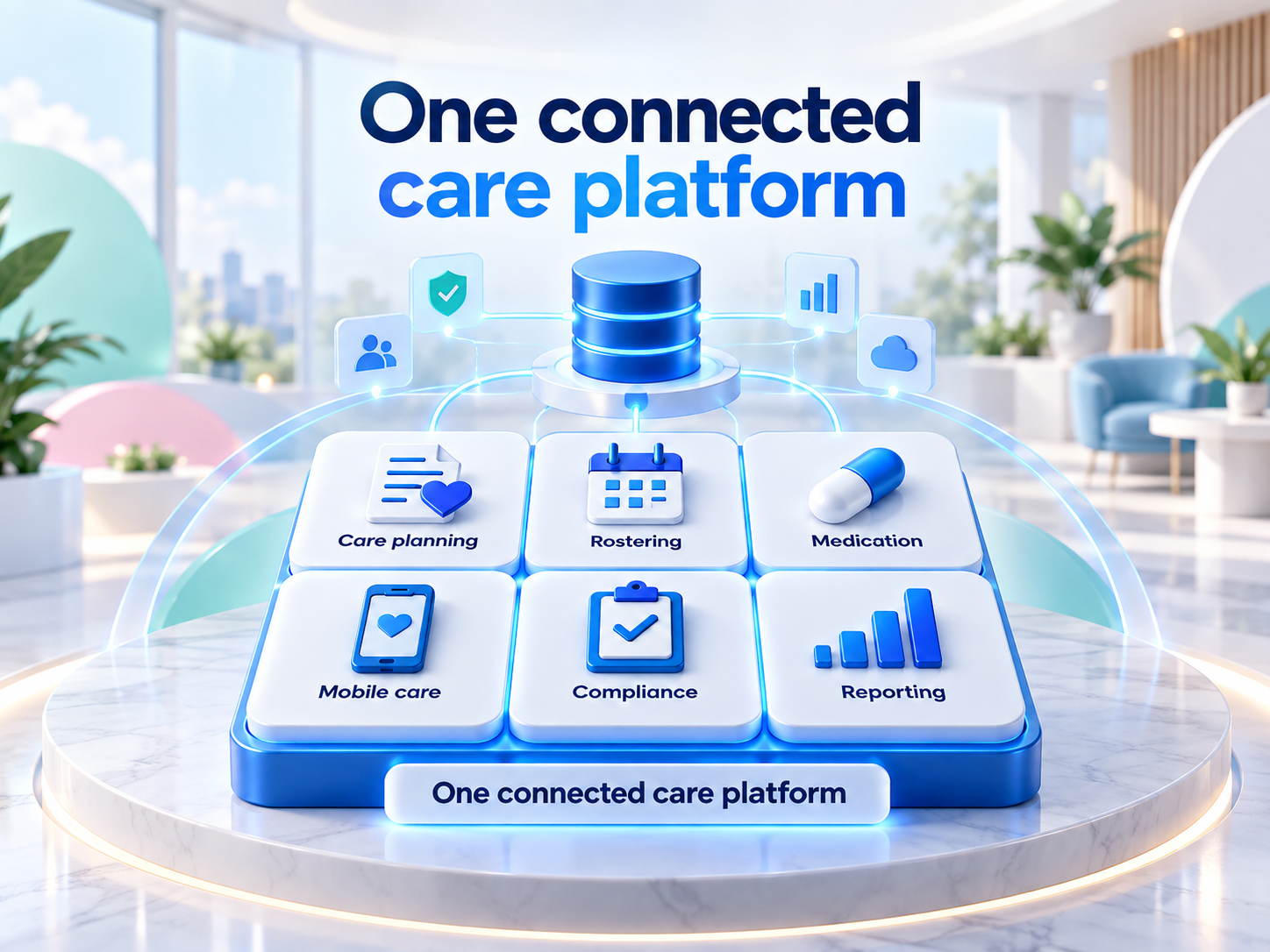
Modern care providers manage a huge amount of information every day. Care plans, assessments, rotas, medications, visit records, incidents, staff information, audits, finances and compliance evidence all need to remain accurate, current and accessible. When these processes sit across multiple systems, spreadsheets, paper records and messaging applications, information can become fragmented and teams can spend unnecessary time entering, checking and transferring the same data.
An all-in-one care management platform brings these core processes together. For home care, domiciliary care, supported living and complex care providers, that can create a clearer view of the whole service - from what has been planned to what is actually being delivered.
One platform, one view of care
The biggest advantage of an integrated care management system is connectivity. Digital care planning should not sit in isolation from rostering. Medication records should not be disconnected from daily care notes. Incidents should not disappear into a separate spreadsheet that nobody sees until the next audit.
A connected platform can bring together digital care planning, staff rostering and scheduling, electronic call monitoring, care worker mobile applications, medication management and eMAR, incidents and safeguarding, HR information, audits, KPI reports, finance, stakeholder communication, AI-supported administration and virtual care technology.
The result is a more complete digital record of the service and a clearer operational picture for managers.
Digital care planning connected to everyday delivery
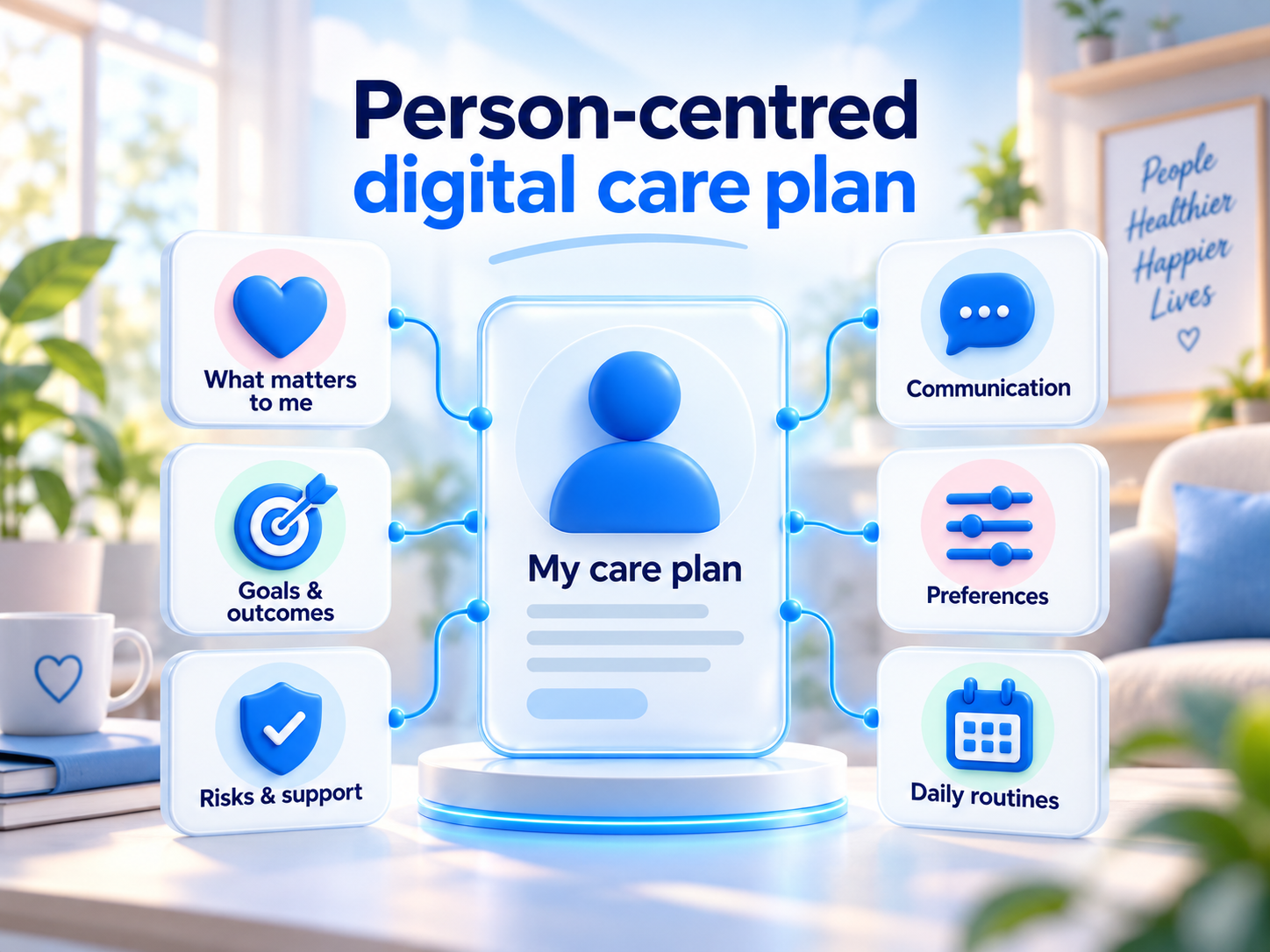
A digital care plan should do more than replace a paper file. It should become part of everyday care delivery. When the care plan is connected to the mobile application and visit record, care workers can review relevant needs, risks, preferences and outcomes before providing support, then record what happened at the point of care.
This gives office teams greater visibility and helps keep the plan connected to the person's current needs rather than becoming a document that is only opened at review time.
Rostering that connects the office and frontline teams
Rostering is one of the busiest operational areas in a care organisation. Staff availability changes, care packages grow, visits move and last-minute cover may be required. Integrated care rostering software allows coordinators to manage schedules alongside client information, staff availability and visit delivery.
Electronic call monitoring and GPS-enabled mobile applications can then provide a clearer view of planned and actual activity. The rota becomes part of the care record rather than simply an office diary.
Medication management in the same environment
Medication is another area where accuracy and visibility are essential. An integrated medication management and eMAR process allows medication information to sit alongside care records rather than in a completely separate application. Care workers can record administration at the point of care and managers can review relevant information without moving between multiple systems.
Mobile applications bring digital care to the frontline
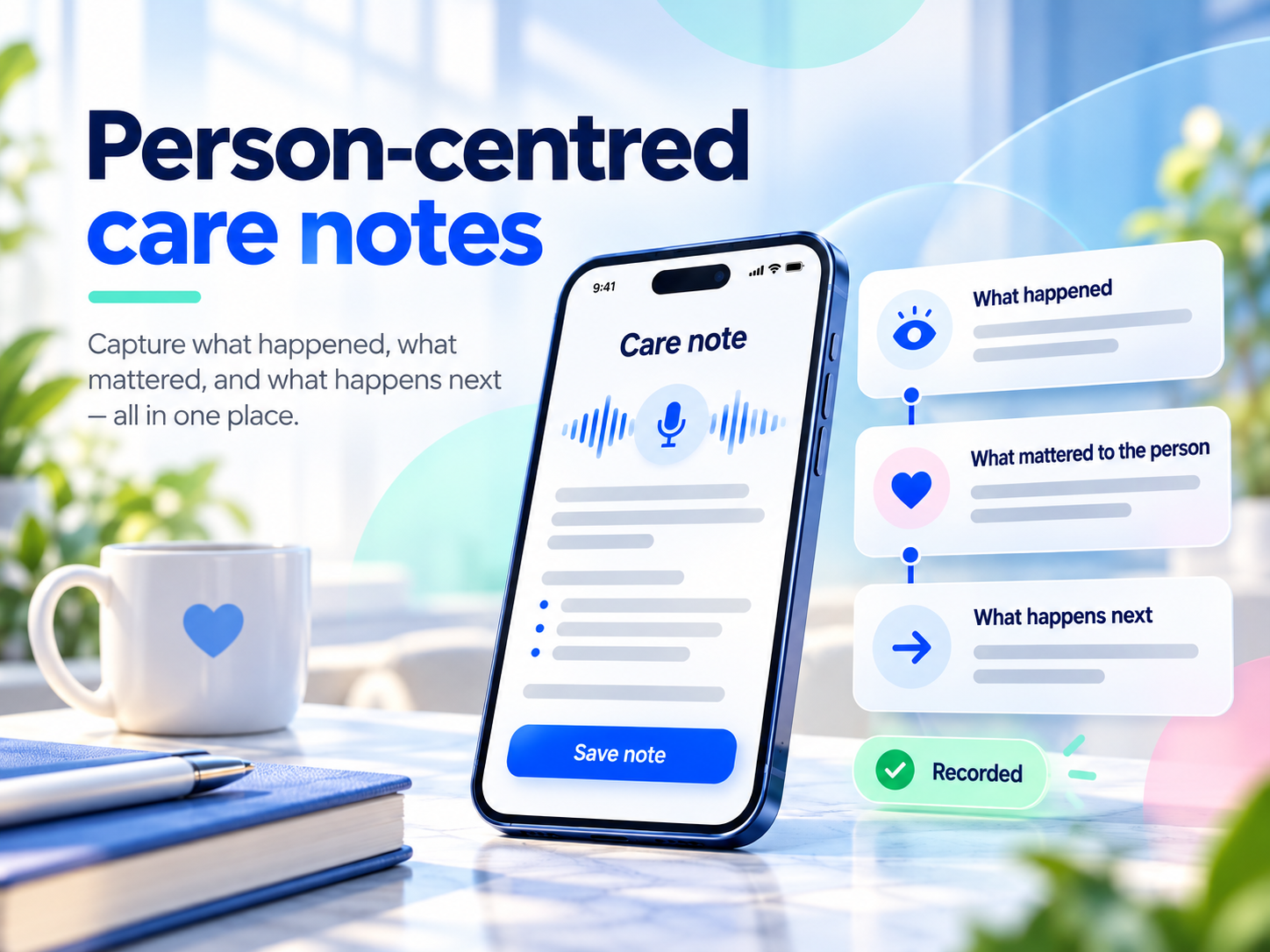
A care management platform only works if frontline teams can use it easily. Mobile applications allow care workers to access care plans, tasks, charts, assessments, medication information and visit details wherever care is being delivered. They can capture care notes and observations once, at the point of care, instead of returning to paper or re-entering information later.
A useful principle for digital care is simple: capture information once, then make it useful across the organisation.
Better visibility for quality, compliance and auditing
Care providers generate large amounts of operational and care data. The challenge is turning that information into something useful. Integrated dashboards, KPI reports, audits and real-time alerts can help managers identify what needs attention without manually searching through individual records.
Information relating to missed activity, medication, incidents, care plan reviews, assessments, rostering or service delivery can be surfaced more quickly. This can make internal governance more structured and support preparation for commissioners, audits and CQC assessment activity.
Reduce duplicate administration and unnecessary software
Using separate applications often means maintaining the same client and staff information in several places. That creates duplicate administration and increases the chance of information being inconsistent. An all-in-one platform gives providers the opportunity to simplify their technology estate and reduce avoidable hand-offs between teams.
That does not mean every specialist application must disappear. The goal is to ensure the core care process has a connected source of information and that any specialist systems add genuine value rather than create another silo.
AI and virtual care can extend the platform further
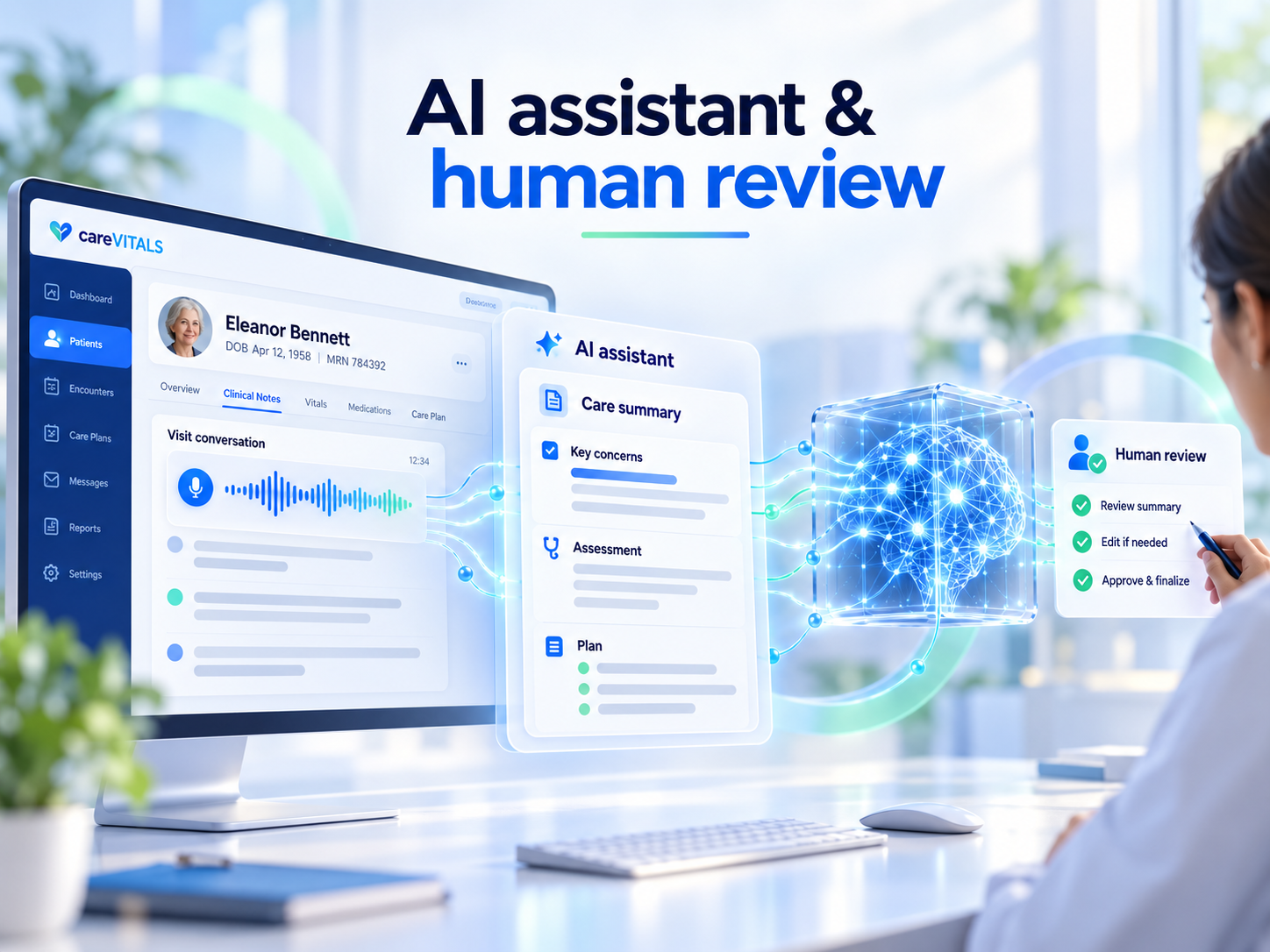
The next stage of digital care is increasingly about using technology to support staff, not simply storing information. AI can help summarise information, prepare management insights and reduce repetitive administrative tasks. Connected devices and virtual care technology can add data between traditional care visits and help teams identify meaningful changes earlier.
These technologies are most useful when they feed into the wider care record rather than becoming another isolated application.
What should providers look for?
When reviewing care management software, look beyond the number of features on a brochure. Ask how well those features work together. Can information recorded by a care worker be seen by the office? Does the care plan connect to daily care delivery? Can managers identify what needs attention quickly? Can rostering, medication, care records, finance and compliance data be viewed as part of one service? And is the system straightforward enough for people to actually use?
Bringing care together with careVITALS
careVITALS is designed as an all-in-one digital care management platform for home care, supported living and complex care providers. Digital care planning, rostering, electronic call monitoring, medication management, mobile applications, assessments, compliance, HR, finance, stakeholder portals, KPI reporting, AI tools and virtual care technology can operate within one connected environment.
The aim is not simply to digitise existing paperwork. It is to give care teams better access to information, reduce unnecessary administration and give organisations greater visibility of the care they deliver.
Other Insights
Book a Free Demonstration
Ready to simplify care management? Book a careVITALS demonstration and see how your care planning, rostering, medication management, compliance and frontline delivery can work together.