Digital Transformation
What Are the Benefits of Going Digital in Social Care?
A practical look at how digital care records, mobile applications, rostering, eMAR, reporting and connected systems can improve visibility and reduce administration.
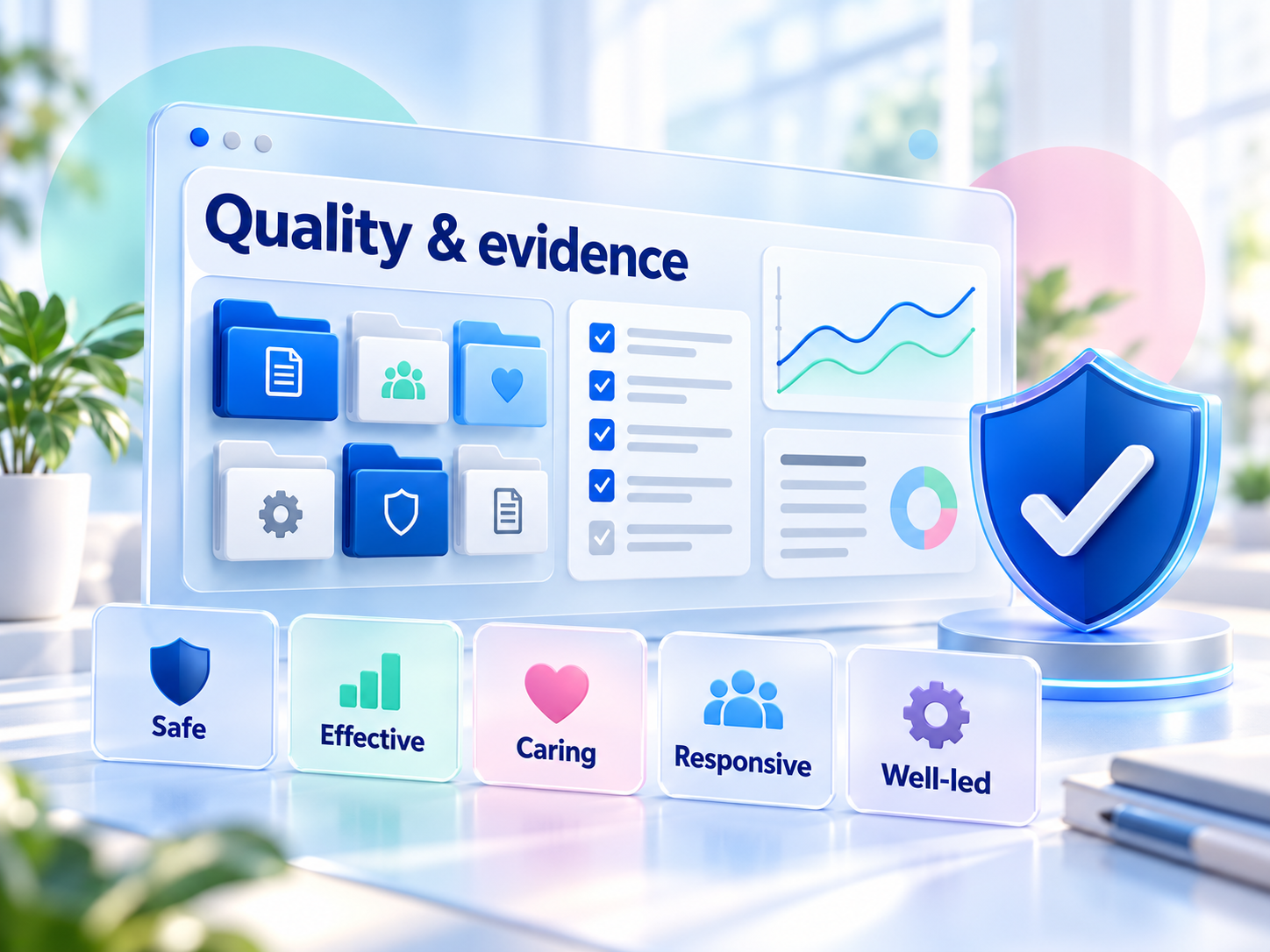
Going digital in social care is not simply about removing paper. It is about giving the right people access to the right information, at the right time, so they can deliver safer, more coordinated and more person-centred support.
Digital Social Care Records are now widely used across adult social care in England, and the direction of travel is clear: connected information, mobile access, better interoperability and technology that supports independence are becoming part of modern care delivery.
Information can be available when and where it is needed
Paper files are usually tied to a location. A digital care record can be securely accessed by authorised staff from the office, during a care visit or while supervising a service. This is especially important for providers operating multiple branches, supported living services or geographically dispersed home care teams.
When a care plan changes, the latest version can be made available to the frontline without printing new packs or relying on somebody to pass on a message.
Digital care planning can make information easier to keep current
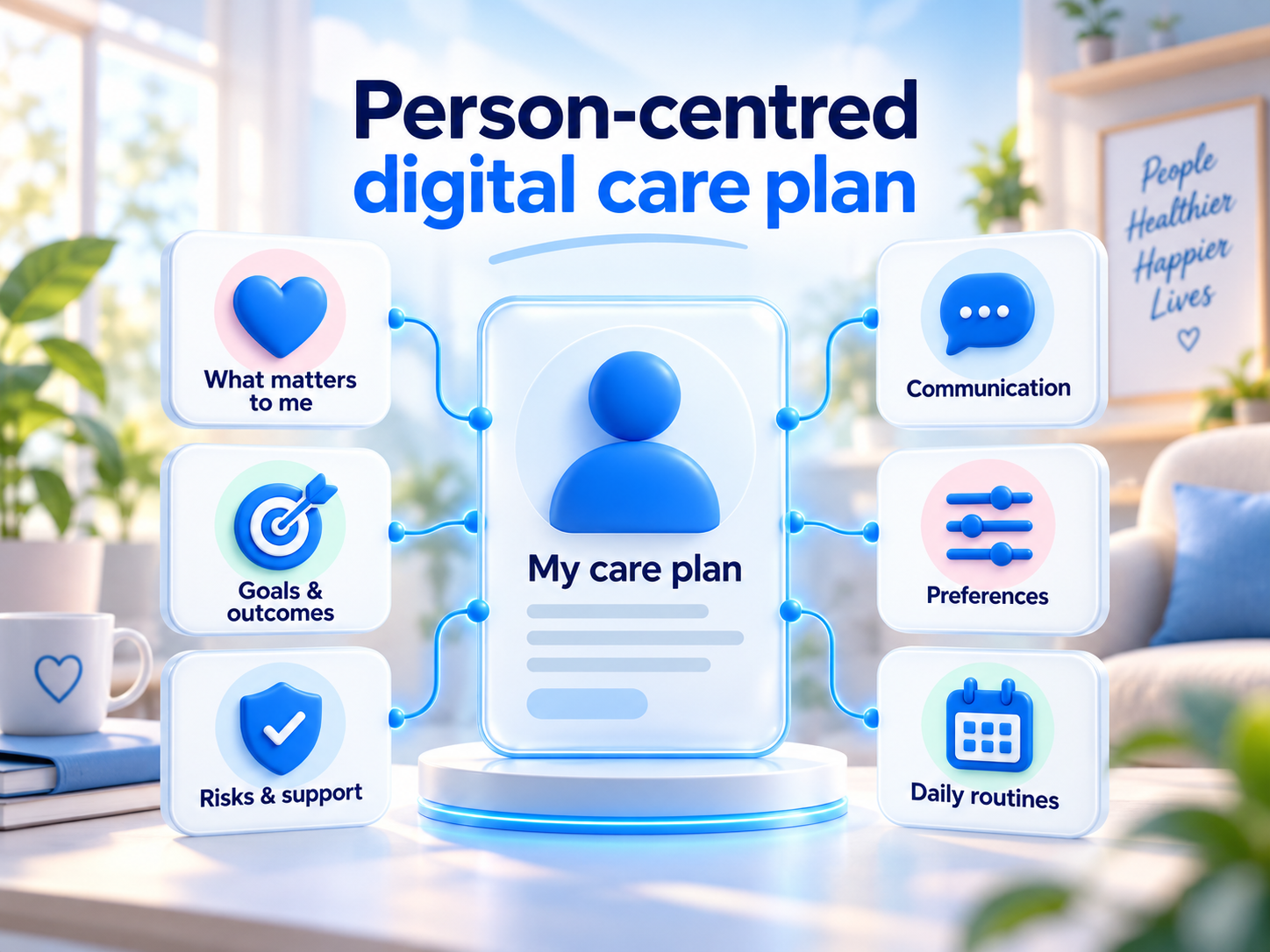
A care plan is most useful when it reflects the person today. Digital care planning makes it easier to review outcomes, update risks, record preferences, change tasks and maintain an audit trail. Structured assessments can also help services maintain consistent information across teams.
The technology does not make a care plan person-centred by itself. That still depends on meaningful involvement, good conversations and professional judgement. But a well-designed digital system can make that information easier to capture, find and update.
Mobile applications reduce the gap between care and documentation
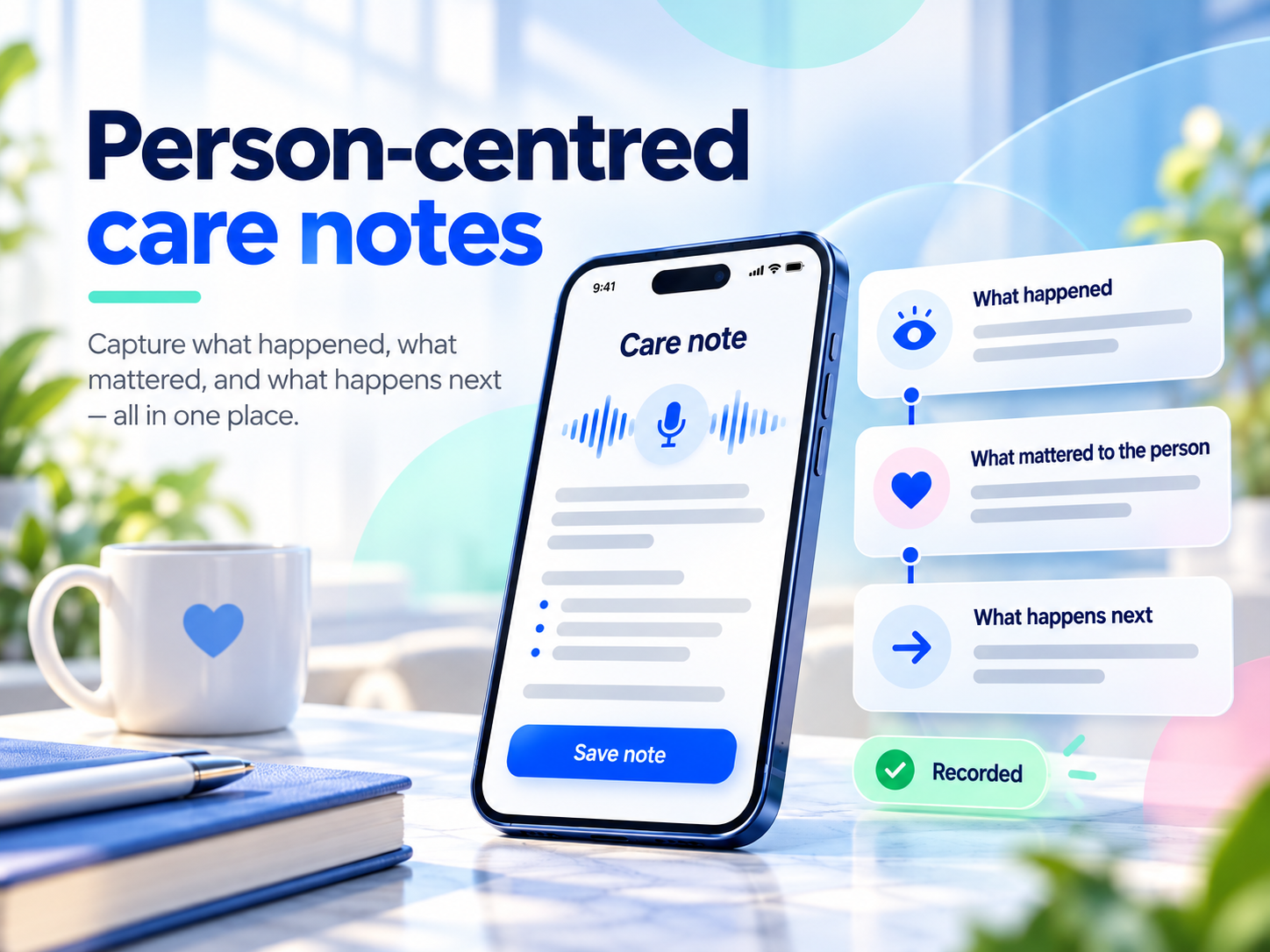
Care worker mobile applications allow records to be completed closer to the point of care. Staff can view visit information, tasks, care plans, charts and medication records, then record care notes and observations during or immediately after the visit.
This reduces delayed documentation and can remove the need for double entry from handwritten notes into office systems.
Rostering and electronic call monitoring improve operational visibility
Digital rostering helps coordinators see planned care, staff availability and changes in one place. When connected with electronic call monitoring, managers can compare what was scheduled with what actually happened and follow up where required.
For growing care providers, this visibility can be important because the service can no longer be managed reliably from a wall planner, local spreadsheet or a coordinator's memory.
Medication records can be clearer and easier to audit
Digital medication management and eMAR can give staff structured access to medication information and provide managers with a clearer audit trail. Alerts and reporting can help teams identify omissions or patterns that require review.
Technology should support safe medication processes, not replace training, competency or clinical escalation. Good digital systems make the record easier to use and easier to review.
Managers can spend less time building reports manually
One of the biggest hidden costs in care is the time spent gathering information. Managers may export data, check spreadsheets, count incidents and prepare weekly or monthly reports manually.
When information is already digital and structured, KPI reports and dashboards can provide a much faster view of care delivery, medication, incidents, quality checks, staffing and other operational measures.
Digital transformation creates the most value when it removes duplicate work - not when it simply turns every paper form into an electronic form.
Audits and compliance can become more proactive
A digital system can help teams see what is overdue, incomplete or outside expected parameters. Care plan review dates, assessments, medication audits, incidents, staff checks and other governance activity can be brought into dashboards or alerts.
This does not guarantee compliance. It gives managers better tools to evidence what is happening and to act on issues sooner.
Connected records support better communication
Digital platforms can reduce the number of informal channels used to pass operational information. Integrated messaging, stakeholder portals and family applications can give providers more controlled ways to share appropriate updates, while maintaining role-based access and an audit trail.
Digital information can support virtual care and new technology
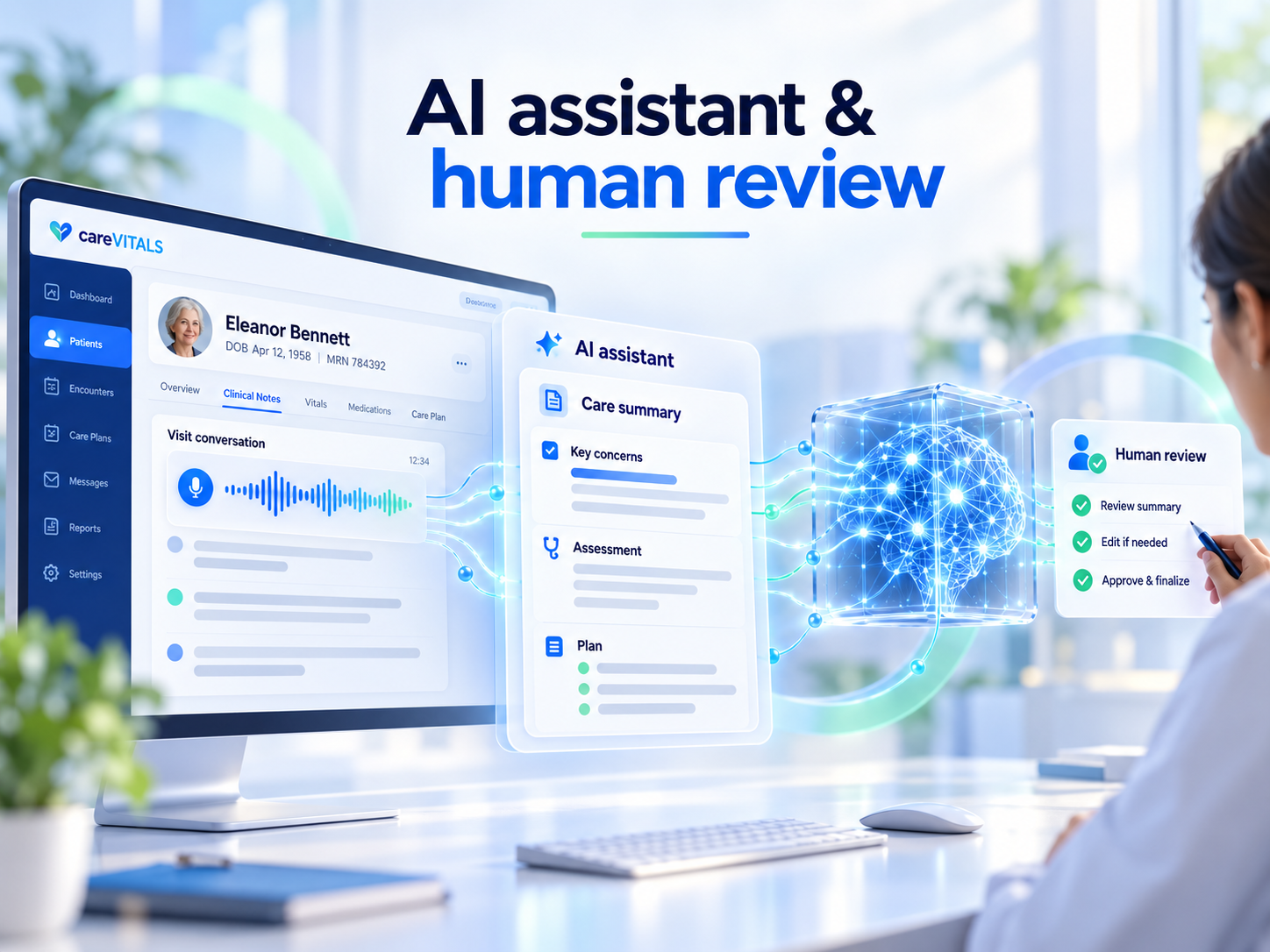
Once a provider has strong digital foundations, it becomes easier to introduce connected devices, sensors, remote monitoring and AI tools. Data from virtual care technology can be more useful when it connects to the wider care record and can be understood alongside daily care delivery.
Good technology can give staff more time for people
The strongest reason to digitise is not the technology itself. It is the opportunity to reduce avoidable administration and give staff more time to focus on the person receiving care. Skills for Care has highlighted that digital technology can improve efficiency and personalisation and can automate some administrative tasks so that care workers can focus on more meaningful interaction.
Start with the outcome, not the software
Providers should begin by identifying the problem they want to solve. Is it duplicate entry? Poor visibility? Slow audits? Difficult rostering? Paper care plans? Medication oversight? Reporting? Then assess whether the technology improves that process for frontline staff, managers and the people receiving care.
How careVITALS supports digital transformation
careVITALS brings digital care planning, assessments, rostering, electronic call monitoring, medication management, care worker and supervisor mobile applications, HR, finance, KPI reports, audits, stakeholder access, AI tools and virtual care technology into one connected platform.
For providers moving away from paper or replacing disconnected legacy systems, the objective is a controlled transition that makes day-to-day work simpler rather than more complicated.
Other Insights
Book a Free Demonstration
Thinking about going digital or replacing an existing care system? Book a careVITALS demonstration to see how a connected platform can support your service.