CQC & Compliance
How Technology Can Support the CQC Single Assessment Framework
See how digital care records, dashboards, audits, KPI reports and mobile applications can help providers organise evidence around CQC quality statements and the five key questions.
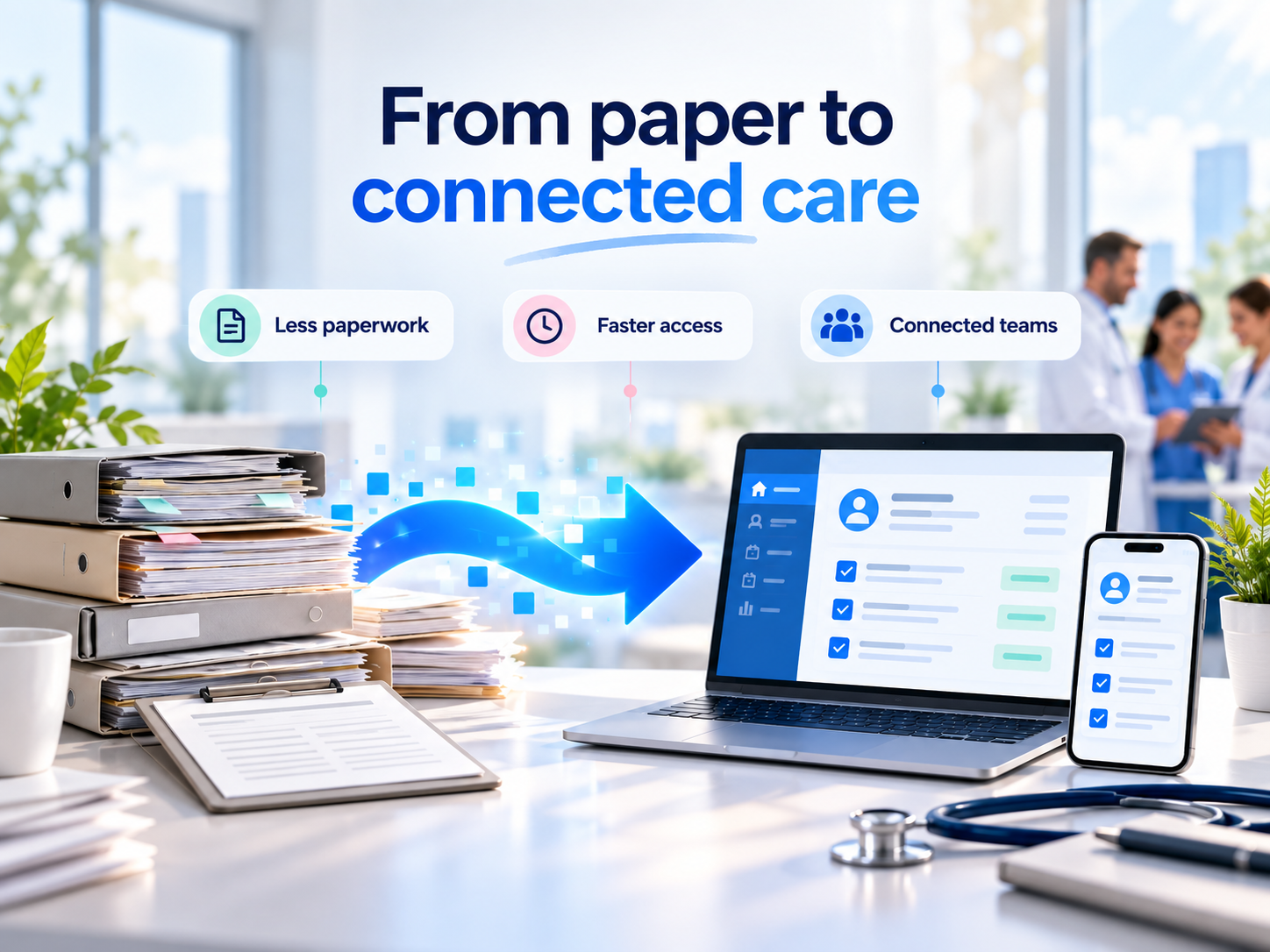
Technology cannot make a care service compliant on its own. CQC assessments are about the quality and safety of care, people's experiences, leadership and the evidence that shows how a service operates. However, the right digital care management platform can make that evidence easier to capture, organise, review and act on.
CQC's current assessment approach retains the five key questions - Safe, Effective, Caring, Responsive and Well-led - and assesses services against quality statements. The term "Single Assessment Framework" is still widely used across the sector, although current CQC guidance describes its evolving assessment framework and approach.
From paperwork to continuous evidence
Traditionally, providers often prepared for inspection by pulling together paper files, spreadsheets, audit folders and separate reports. A modern digital platform can help turn that process into ongoing evidence rather than a last-minute exercise.
Care notes, assessments, medication records, incident logs, audits, staff information, complaints, service-user feedback and management reports can all contribute to the wider picture of quality. When those records are digital, managers can review them continuously and identify gaps earlier.
Supporting the Safe key question
Digital systems can support safety by making risks, safeguarding information, incidents, medication records and visit activity more visible. Examples include digital risk assessments, incident and accident workflows, medication audits, missed-visit alerts, electronic call monitoring and staff competency records.
The benefit is not simply having the record. It is being able to see trends, identify overdue actions and evidence that concerns have been reviewed and followed up.
Supporting the Effective key question
Under Effective, providers need to demonstrate that needs are assessed, care is evidence-based, teams work together, people are supported to live healthier lives, outcomes are monitored and consent is respected.
Digital care planning can help structure assessments, outcomes and review dates. Charts and observations can show changes over time. KPI reports can help managers monitor delivery and outcomes. Connected records can also improve continuity between office staff, care workers, supervisors and other professionals.
Supporting the Caring key question
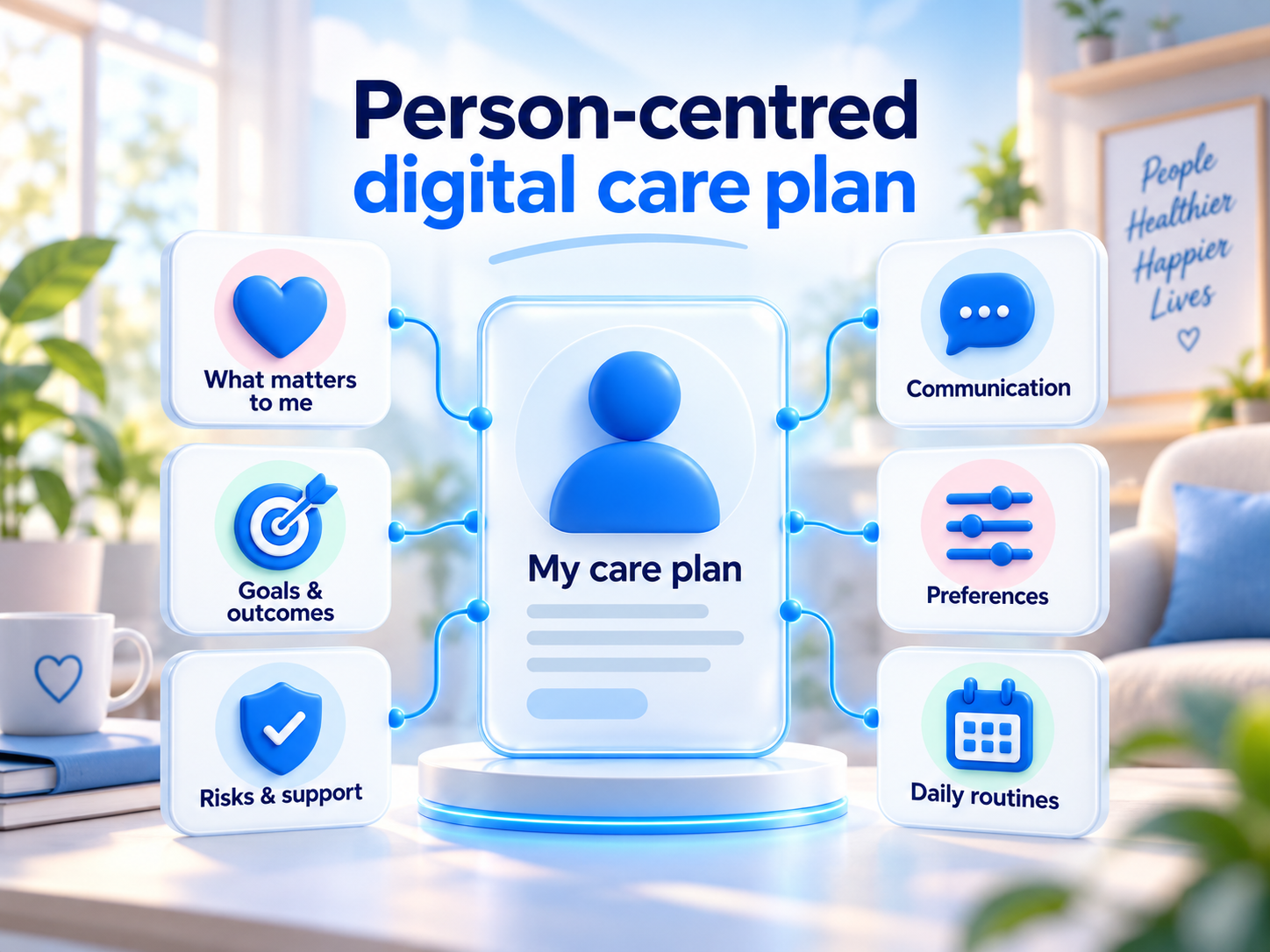
Technology should never turn care into a checklist. The Caring key question is grounded in how people are treated and whether support reflects the individual. A digital platform can help by making preferences, communication needs, strengths, cultural considerations, routines and "what matters to me" information more visible to the staff providing care.
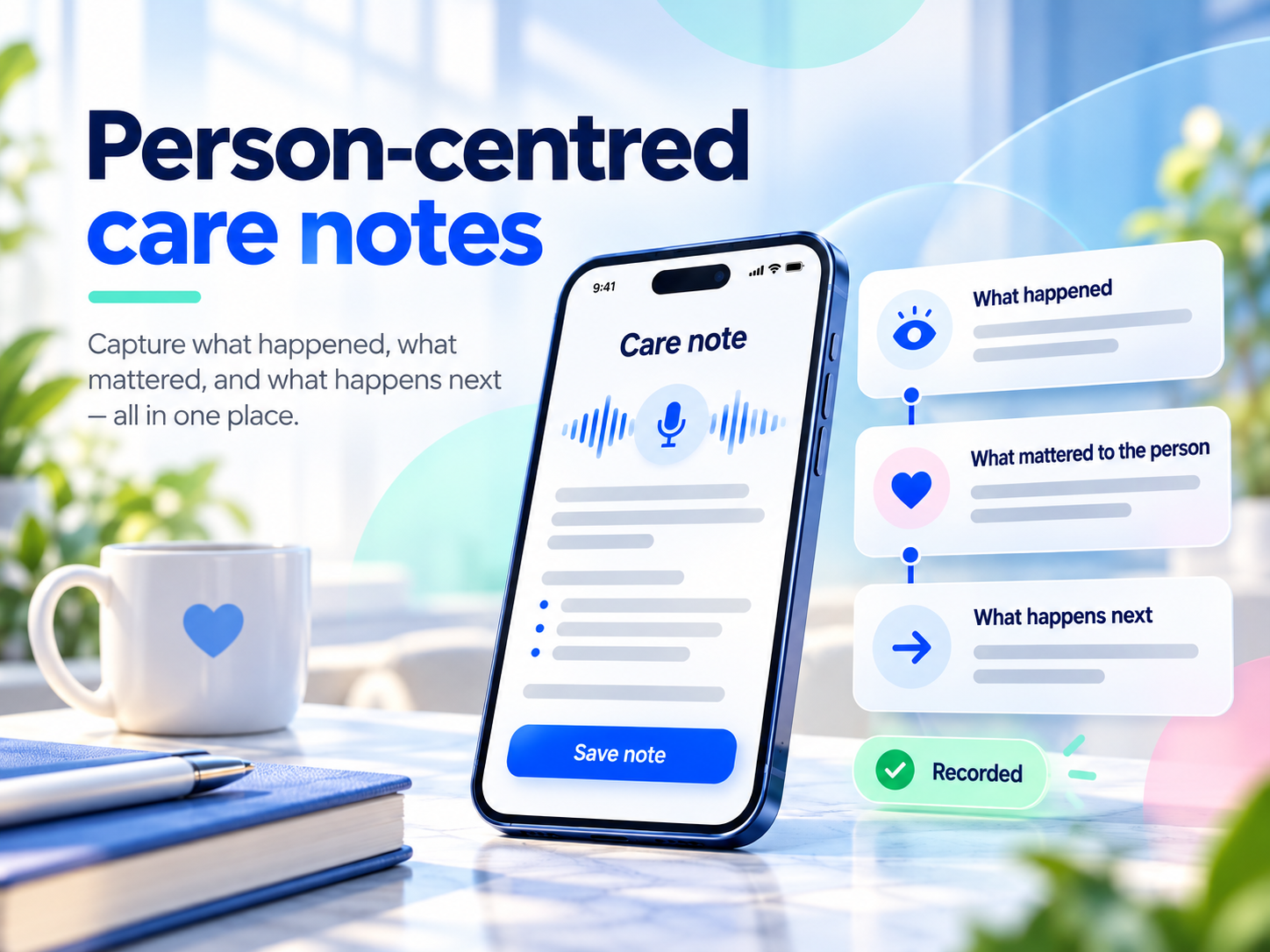
Good mobile design is especially important. Care workers should be able to find essential person-centred information quickly rather than spending the visit navigating complicated screens.
Supporting the Responsive key question
CQC expects people to be at the centre of care and involved in decisions. Digital care planning can support this by recording preferences, agreed outcomes, review conversations and changes in needs. Stakeholder or family portals can also support appropriate involvement where the person wants others included.
Complaints, feedback and service-user experience can be recorded and tracked so that actions and improvements are visible rather than remaining in email chains or local files.
Supporting the Well-led key question
Well-led services need effective governance, oversight and learning. This is where dashboards, KPI reports, audit tools and management alerts can be particularly valuable.
A manager should be able to see where action is required: overdue care plan reviews, medication concerns, incidents, gaps in visit delivery, incomplete documentation, expiring staff records or other quality indicators. Digital tools can help turn thousands of individual records into management information.
The strongest digital evidence is evidence created through normal care delivery - not data entered purely because an inspection is approaching.
Use KPI reports to move from evidence collection to quality improvement
KPI reporting should help leaders answer practical questions. Are care plans being reviewed? Are visits being delivered as planned? Are there recurring medication issues? Are incidents increasing? Is documentation quality consistent? Are particular services generating repeated concerns?
The purpose is not to create more reports. It is to identify where management attention is needed and show what has changed as a result.
Build an audit trail without making staff do more work
A well-designed care management system automatically creates an audit trail as staff use it. Updates to care plans, completed visits, recorded medications, incident actions and assessments can all carry dates, users and history. This helps providers evidence who did what and when without creating a separate manual log.
Technology still depends on culture and leadership
No software can replace good leadership, competent staff, safe processes or genuine person-centred care. Poor practice entered into a digital system is still poor practice. The value of technology is that it can make information easier to use, highlight issues sooner and help leaders demonstrate how they monitor and improve quality.
How careVITALS can help
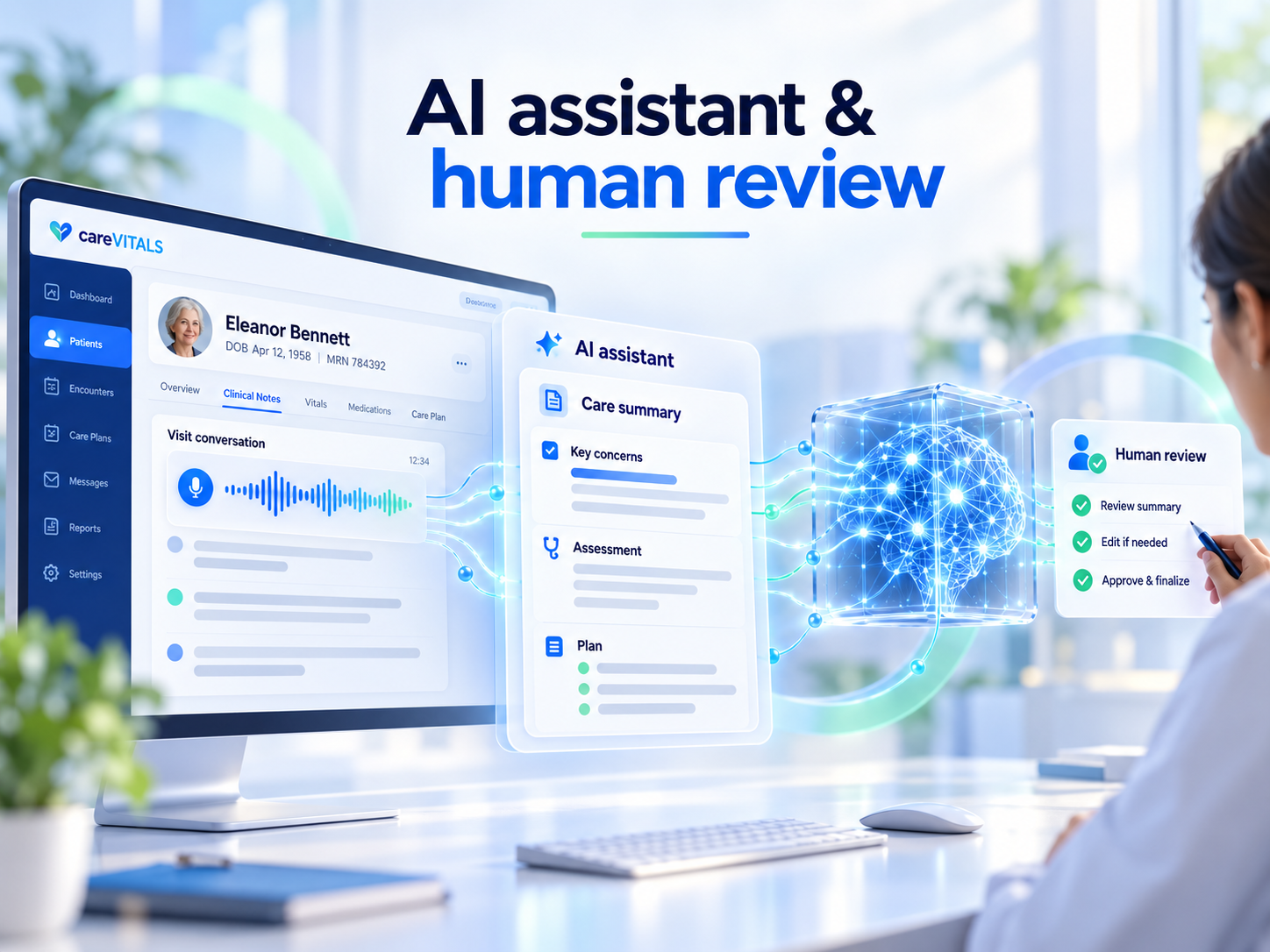
careVITALS brings care planning, assessments, rostering, medication management, electronic call monitoring, incidents, audits, staff information, KPI reports, dashboards, mobile applications and AI-supported tools into one environment. That allows providers to build their evidence base through everyday care delivery and governance activity.
The platform is designed to help services work in a way that is structured, visible and easier to review across home care, supported living and complex care.
Other Insights
Book a Free Demonstration
Want to see how your digital records can support CQC evidence and internal governance? Book a careVITALS demonstration.